
Emotional intelligence (EI) refers to the ability to recognize, understand, and manage your own emotions while also being aware of, understanding, and positively influencing the emotions of others. It is a crucial skill that plays a major role in personal success, healthy relationships, and professional growth.
In today’s fast‑paced world, emotional intelligence is just as important as technical skills or academic knowledge. People with high emotional intelligence tend to communicate more effectively, handle challenges calmly, and build stronger connections with those around them.
The Importance of Emotional Intelligence
Emotional intelligence helps individuals manage stress, control emotional reactions, and resolve conflicts in a constructive way. In the workplace, employees with strong EI skills often demonstrate better teamwork, leadership abilities, and problem‑solving skills.
Leaders with high emotional intelligence are more empathetic, supportive, and capable of motivating others. On a personal level, EI contributes to emotional balance, self‑awareness, and overall mental well‑being.
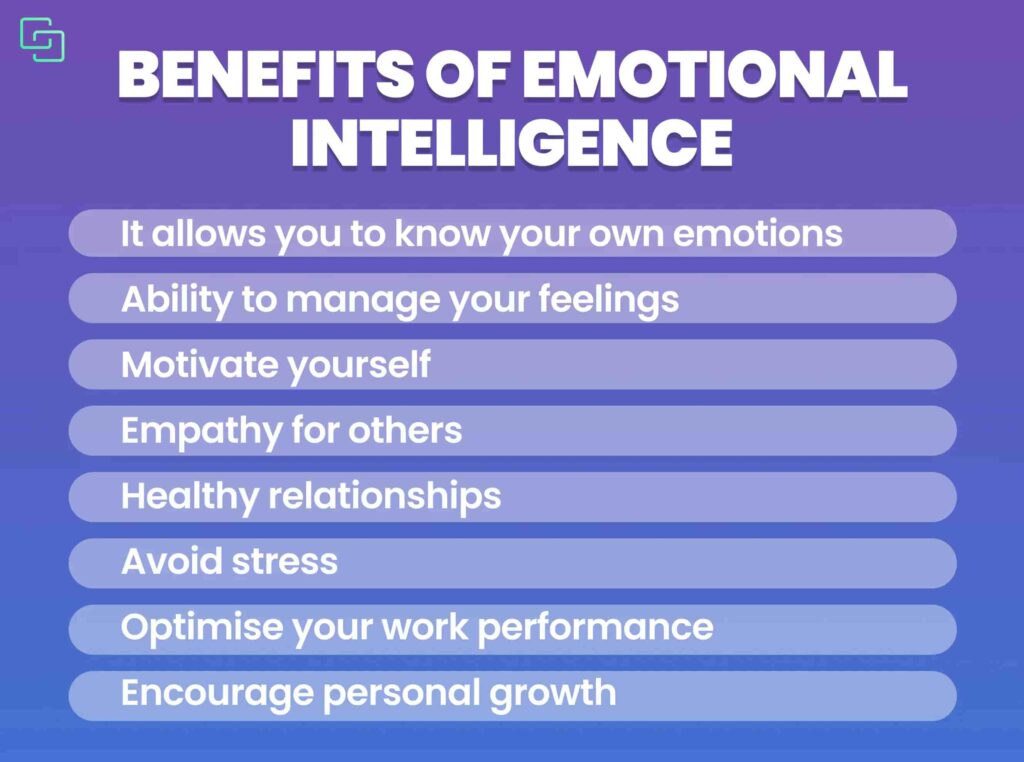
Benefits of Emotional Intelligence
Developing emotional intelligence offers many advantages in both personal and professional life, including:
- Improved communication and stronger relationships
- Better stress management and emotional control
- More thoughtful and informed decision‑making
- Enhanced leadership and teamwork skills
- Greater resilience, confidence, and well‑being
These benefits make emotional intelligence a key factor in long‑term success and life satisfaction.
How to Develop Emotional Intelligence
Emotional intelligence can be learned and strengthened through consistent practice. One effective step is increasing self‑awareness by observing your emotions in different situations and understanding what triggers them.
Practicing active listening, communicating respectfully, and responding calmly rather than reacting impulsively also helps improve EI. Taking time to reflect on your behavior and showing empathy toward others are essential habits for emotional growth.
Applying Emotional Intelligence in Daily Life
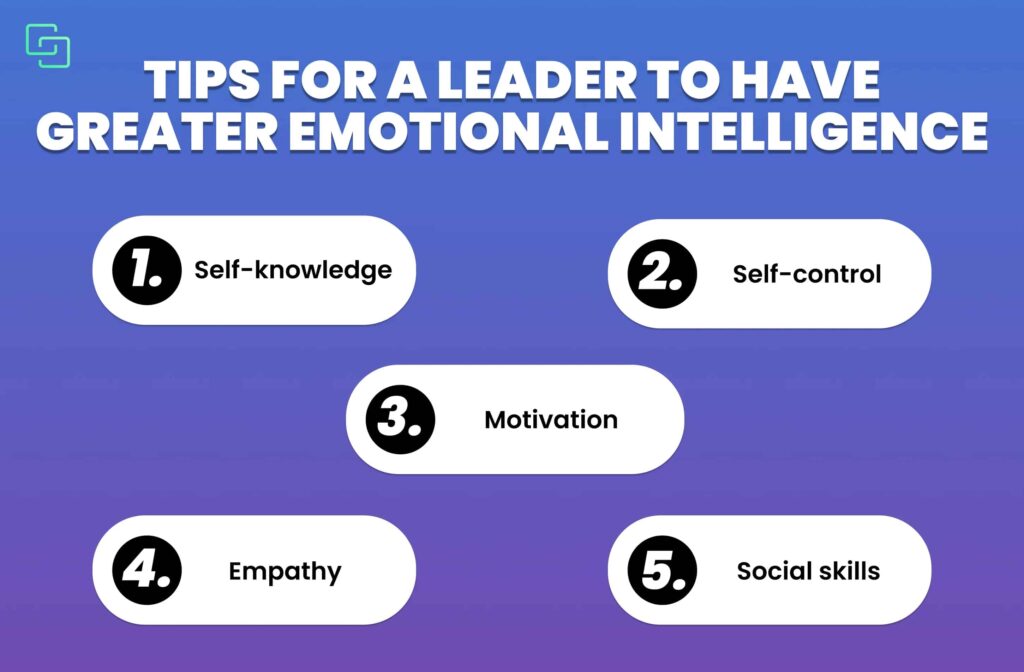
Emotional intelligence is not just a theory; it is a daily practice. By applying self‑reflection, emotional awareness, and empathy in everyday interactions, you can handle challenges more smoothly and build healthier relationships.
Whether at work, at home, or in social situations, emotional intelligence helps you respond wisely, reduce conflict, and maintain emotional balance.
Frequently Asked Questions About Emotional Intelligence
What is emotional intelligence?
Emotional intelligence is the ability to understand and manage your own emotions while recognizing and influencing the emotions of others.
Why is emotional intelligence important?
It improves communication, decision‑making, leadership, and emotional well‑being in both personal and professional life.
Can emotional intelligence be developed?
Yes, emotional intelligence can be developed through self‑awareness, practice, and conscious emotional regulation.
Emotional intelligence is a powerful life skill that supports personal growth, healthy relationships, and professional success. By understanding your emotions, respecting the feelings of others, and practicing emotional awareness daily, you can improve your quality of life and achieve greater balance and fulfillment.

“Do you want to learn more about emotional intelligence and how to develop it practically? Read our expanded article here.”
YOU MAY BE INTERESTED IN:






One Comment