The Phenomenon of Mental Distraction and Forgetfulness Due to Smartphone and Social Media Addiction


In today’s digital age, smartphones and social media have become deeply integrated into our lives. However, excessive use and addiction to these technologies can lead to mental distraction and forgetfulness, affecting both memory and focus.
How Smartphone Addiction Affects Memory and Focus
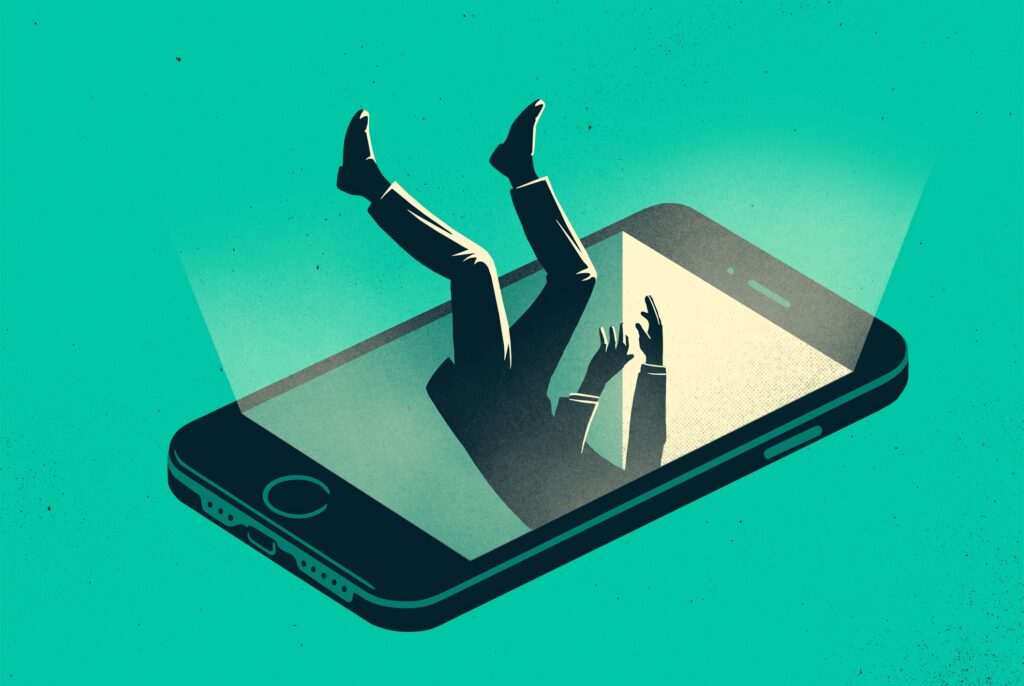
Spending long hours on smartphones reduces our ability to concentrate and retain information. A study published in Cyberpsychology, Behavior, and Social Networking confirms that prolonged smartphone use can negatively impact memory and task performance.
The Impact on Mental Health
Addiction to digital devices is closely linked to increased levels of anxiety, stress, and depression. According to the Journal of Behavioral Addictions, smartphone addiction, especially among adolescents, can contribute to serious mental health concerns.
Root Causes of Distraction and Forgetfulness
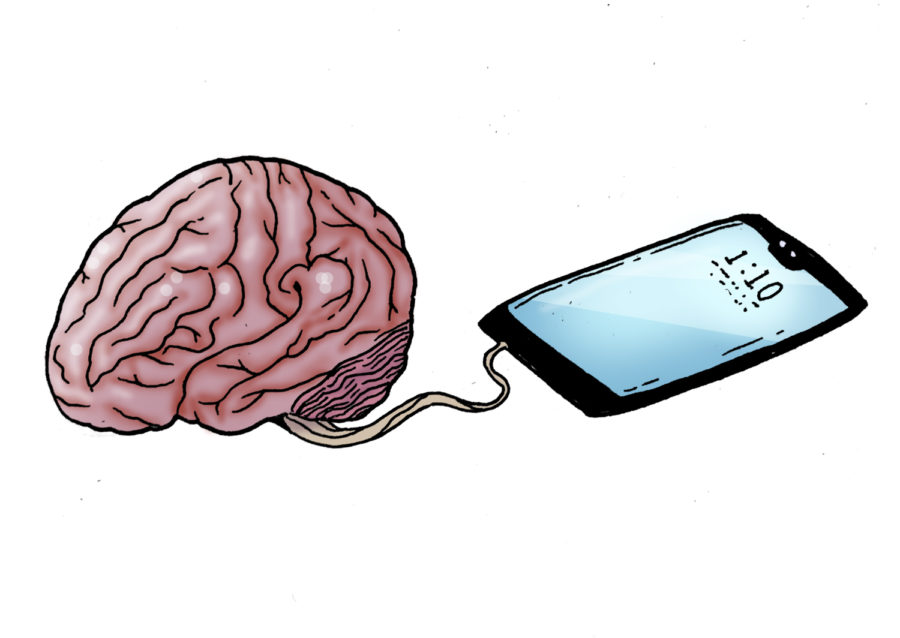
Dopamine Release
Smartphones and social media stimulate the release of dopamine, a chemical that creates feelings of pleasure and reinforces addictive behaviors.
Brain Structure Changes
Research suggests that excessive smartphone use can lead to structural changes in the brain, particularly in areas related to attention control and cognitive processing.
Prevention and Practical Solutions
Awareness and Education
Raising awareness about digital addiction helps individuals make informed decisions and reduce unhealthy usage habits.
Set Boundaries
Establish time limits for using smartphones and avoid screen time before bed to improve sleep and focus.
Outdoor and Offline Activities
Activities like reading, sports, and spending time in nature promote mental clarity and reduce tech dependency.
Key Statistics
- 77% of Americans own smartphones, and 54% use the internet for extended periods daily (Pew Research Center).
- 59% of Britons believe smartphones negatively impact mental health (Royal Society for Public Health).
The widespread issue of mental distraction and forgetfulness caused by smartphone and social media addiction is real. By setting boundaries, encouraging awareness, and promoting healthy habits, we can protect our mental health and enhance our cognitive abilities.
- You may be also interested in:






2 commentaires